Schools
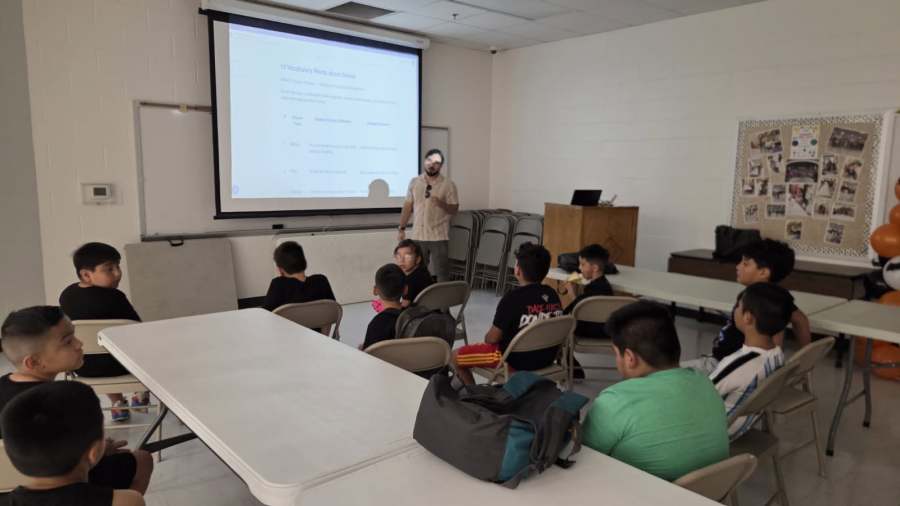
Hidalgo County Precinct 2 hosts kids soccer program
By Sophia Ramirez
Advertisement · Why this ad?
Ricardo Campos is a cultural journalist with 8 years of experience, having contributed to various local publications including the Brownsville Herald. He earned his degree in Arts and Culture from the University of Texas at Austin.
More from Ricardo →
The sun rises over the lush fields of the Rio Grande Valley, casting a golden glow on eager young faces pressed close to the exhibits at Ag Awareness Week. In the heart of Harlingen, a bustling hub of agricultural activity, over 4,000 students from across Hidalgo and Cameron counties gather for a four-day journey into the roots of their community’s backbone—agriculture. For many of these fourth-graders, it’s a first encounter with the vast world behind the crops they see from their school windows, a chance to connect the dots between the food on their tables and the hardworking farmers who grow it.
Ag Awareness Week, held annually in the Rio Grande Valley, is more than just a series of displays and demonstrations—it's a vital educational initiative designed to ignite a love for farming and a deeper understanding of where food comes from. This year’s event, held at the Harlingen Convention Center, featured interactive booths, live demonstrations, and hands-on activities that brought agriculture to life for young students. They learned about crop planting, irrigation techniques, and even livestock care, gaining insights into the critical role agriculture plays in their daily lives.
Organized by local school districts in partnership with agricultural organizations, the event emphasizes the importance of farming in our economy and community. Children had the opportunity to see real tractors up close, participate in planting seeds, and even sample fresh produce directly from local farms. Such immersive experiences aim to foster appreciation for the hard work and dedication of farmers, many of whom are part of families with generations of roots in the land.
Many of the participating students come from families whose livelihoods are intertwined with agriculture. For example, the students from Hidalgo County often have parents or grandparents who work on citrus groves, vegetable farms, or cattle ranches. Cameron County students might be familiar with rice farming or organic vegetable production, industries that have historically sustained the local economy. The event helps bridge the gap between urban and rural communities, making farming more relatable and tangible for city kids who might not otherwise have direct contact with the land.
Local farmers and agricultural workers also play a significant role in the event. Farmers like Maria Gonzalez, who owns a small organic farm near San Benito, volunteer to teach children about sustainable farming practices. Gonzalez, a third-generation farmer, believes that educating the next generation is key to preserving Valley’s farming heritage. “Our kids need to understand how we grow their food, why it’s important to take care of the land, and how their choices impact our local economy,” she says. Her involvement underscores the vital link between education and community resilience.
Parents, teachers, and community leaders expressed enthusiasm about the event’s impact. Maria Lopez, a mother of two elementary students from Brownsville, shared, “It’s wonderful to see our children so engaged and excited about agriculture. It’s a vital part of our culture and economy, and this kind of education helps instill pride and understanding.” Teachers noted that students left with more than just facts—they gained a new respect for the farmers who work tirelessly to ensure food security and support the local economy.
Many families in the Valley have deep roots in agriculture, and events like Ag Awareness Week serve as a reminder of the importance of strong family bonds and faith-based values. These families often see their work as a calling rooted in faith and tradition, fostering a sense of community and shared purpose. The event also highlighted the significance of supporting local farms, which are vital to the region’s identity and sustainability.
From the historic farms of La Feria to the modern greenhouses in Pharr, the Valley’s agricultural landscape is as diverse as its cultural fabric. Many of the region’s farms have been passed down through generations, with some families celebrating over a century of farming history. The event helped students recognize that their community’s prosperity is built on these longstanding traditions, and that preserving them requires ongoing effort and respect.
Juan Ramirez, director of the Valley Agriculture Council, emphasized that fostering an understanding of agriculture helps preserve the Valley’s cultural heritage. “Our farmers are not just producers; they’re part of our families and our faith communities,” he said. “By teaching our children about this legacy, we’re ensuring its continuity for generations to come.”
Looking ahead, organizers plan to expand Ag Awareness Week to include more schools and incorporate new technology, such as virtual farm tours and interactive apps, to reach even more students. The goal remains clear: cultivate a new generation that values hard work, faith, and community rooted in agriculture. As the Valley continues to grow, so does its commitment to nurturing young minds and preserving its rich farming heritage.
Local educators are also exploring ways to integrate agricultural education into the regular school curriculum. This could include year-round projects like school gardens, partnerships with local farms, and STEM initiatives focused on sustainable farming technologies. Such efforts aim to embed agricultural literacy into everyday learning, ensuring that children see farming as an integral part of their future, whether they stay in the Valley or venture elsewhere.
Furthermore, community organizations are working to strengthen ties between farmers and urban residents. Initiatives like farmers markets, farm-to-school programs, and community-supported agriculture (CSA) projects are gaining momentum. These programs not only provide fresh, local produce but also serve as educational platforms where children and families can learn directly from farmers about the importance of supporting local agriculture.
For families and educators, the message is simple yet profound: understanding where our food comes from is essential to appreciating the American dream of opportunity and stability. By fostering respect for farmers and their families, the Valley demonstrates its unwavering dedication to faith, family, and community—cornerstones of a thriving society that cherishes its roots and looks confidently toward the future.
As the region faces challenges such as climate change, water management, and economic shifts, the importance of a strong agricultural foundation becomes even more evident. Local leaders are advocating for policies that support sustainable farming practices and invest in the next generation of farmers. This includes funding for farm apprenticeships, scholarships for agricultural studies, and infrastructure improvements that help farmers adapt to changing conditions.
In the coming years, Ag Awareness Week is expected to evolve further, incorporating more community voices and innovative educational tools. The goal remains to inspire pride in Valley’s agricultural legacy and to prepare its youth for a future where farming continues to be a vital part of life here.
By Sophia Ramirez

By Jasmine Lee

By Jasmine Lee

By Ricardo Campos